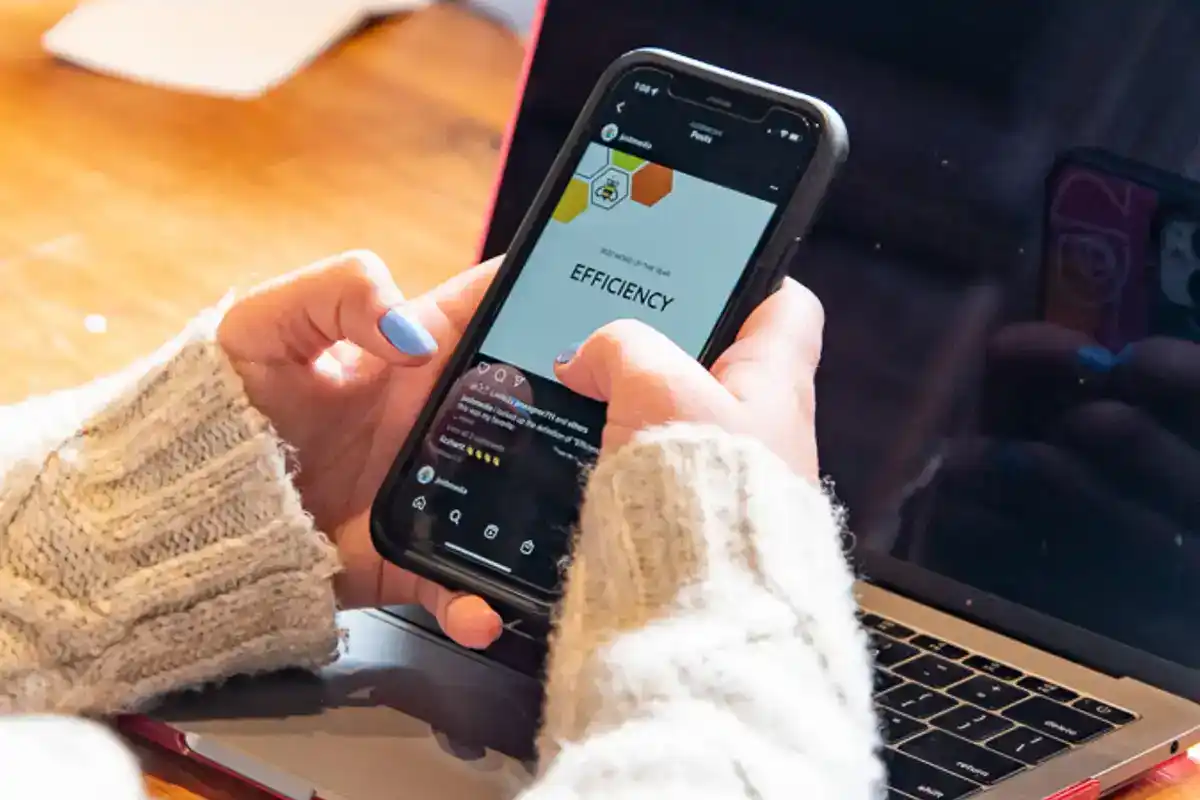


If your Instagram reach feels less predictable than it did a year ago, you are not imagining it. In 2026, a lot of small businesses and creators are seeing even more separation between content that earns passive doom scrooling likes and content that creates stronger signals, such as saves, shares, sends, watch time, and profile actions.
The good news is that this is not a sign that Instagram has become impossible. It means the platform is getting stricter about what it considers valuable. For a small business, that usually rewards useful content, clearer hooks, better storytelling, and informational posts people want to keep or pass along.
The short answer is this: stop chasing vanity engagement and start building content people would revisit, share with a friend, or use later. We make it sound so easy, I know.
What Changed With Instagram in Practical Terms
For most small businesses, the biggest change is not one secret algorithm switch. It is the combined effect of Instagram rewarding deeper engagement. A like is still positive, but it is weaker than a save, share, send, or a strong completion rate on a Reel.
That matters because it changes what “good content” looks like. A polished product photo may still support your brand, but a post that teaches something, solves a problem, or gives a customer a reason to come back often performs better over time.
The Content Formats Getting the Best Return
For many service and product brands, short educational Reels are still one of the best ways to reach new people. Carousels remain valuable because they naturally encourage saves when they break down a process, checklist, recipe, comparison, or mini tutorial.
Stories still matter, but they work best as a relationship tool rather than a pure discovery tool. Use them to build familiarity, answer objections, and move warm followers toward a reply, link tap, or purchase.
If you are a small business with limited time, a smart weekly mix is usually:
- One educational Reel
- One useful carousel
- One social-proof or behind-the-scenes post
- Daily or near-daily Stories
What Small Businesses Should Stop Doing
- Stop building your content calendar around what is easiest to post.
- Stop treating every post like an announcement.
- Stop assuming frequency alone will fix reach – this is the biggest time suck we see happen day in and day out.
A Simple 30-Day Instagram Plan
- Audit your last 15 to 20 posts.
- Look for saves, shares, profile visits, website taps, and replies.
- Create four content buckets: education, proof, personality, and promotion.
- Tighten your openings so each post quickly answers: why should someone keep watching?
How to Measure Success Without Getting Distracted
Reach still matters, but it should not be the only number you look at. Track saves, shares, profile visits, website clicks, direct messages, email signups, and purchases tied to Instagram activity.
A smaller post that drives qualified traffic or conversations is more valuable than a flashy post that gets attention from people who were never likely to buy.
If you remember one thing from this update, let it be this: optimize for relevance, not applause.
Instagram is still worth using in 2026, but the strategy has matured. Small businesses that teach, clarify, demonstrate, and build trust will keep outperforming brands that post just to stay visible.
The fastest way to improve results is to create content people want to save, share, and act on.