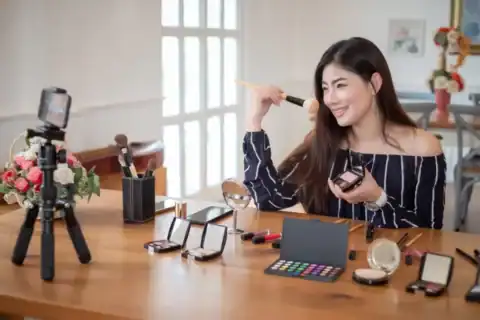


Influencer marketing does not require a celebrity-sized budget. For small brands, the right creator partnerships can build trust, generate useful content, and drive measurable results without a massive upfront investment.
Influencer marketing often gets talked about like an all-or-nothing channel. Either you pay a big creator thousands of dollars, or you ignore the whole thing.
For most small brands, that framing is wrong.
The better question is not whether you can afford influencer marketing. It is whether you can build a simple partnership program around creators whose audiences already overlap with your ideal customers.
For many small brands, the answer is yes.
In fact, some of the most effective early influencer partnerships are smaller, more personal, and easier to test than people expect.
Why Micro-Influencers Make Sense for Small Brands
A creator with a smaller but highly focused audience can outperform a larger account that reaches the wrong people.
That is especially true for:
- Local businesses
- Niche food and beverage brands
- Lifestyle products
- Brands serving a specific community or interest
- Products with a clearly defined customer profile
Micro-influencers can feel more relatable to their audiences, and their recommendations may carry more weight because the content feels personal rather than mass-produced.
That trust is the real asset your brand is borrowing.
What to Look for in a Micro-Influencer
When evaluating potential creator partners, look beyond follower count.
Consider:
- Audience alignment: Does their audience resemble your ideal customer?
- Comment quality: Are people having genuine conversations with the creator?
- Content style: Does their content fit naturally with your product and brand?
- Brand compatibility: Do their values and overall presence make sense for your business?
- Past partnerships: Do sponsored posts still sound and feel like their normal content?
- Product relevance: Do they already talk about products, services, or topics related to yours?
A smaller creator with the right audience can be far more valuable than a larger creator whose followers have little reason to care about your product.
How to Structure Your First Influencer Partnership
Your first round of influencer outreach should be easy to understand and easy to say yes to.
Depending on your product, budget, and goals, compensation could include:
- Gifted products
- A flat fee
- Affiliate commission
- A combination of payment and commission
- Longer-term partnership opportunities
Whatever structure you choose, keep the ask clear and make sure the compensation is proportional to what you are requesting from the creator.
Create a Simple Influencer Brief
A good starter brief does not need to be complicated.
At a minimum, include:
- The product or service being promoted
- Your campaign goal
- The core message
- Any brand or campaign non-negotiables
- Expected content format and deliverables
- Content usage rights
- Disclosure requirements
- Timeline and deadlines
- How performance will be tracked
Then give the creator room to create.
You are partnering with them because they understand their audience. Over-controlling every word, shot, or caption can hurt the result because the content stops feeling native to the creator’s platform and community.
Set clear guardrails, then leave room for the creator’s own voice.
How to Measure Influencer Marketing ROI
You do not need enterprise-level attribution software to determine whether an influencer partnership is worth repeating.
Start by deciding what success means before the campaign launches.
Depending on your goals, you might track:
- Sales
- Website clicks
- Discount or promo code redemptions
- Email signups
- Social profile visits
- Engagement
- New followers
- Leads or inquiries
- Reusable photos and videos
Use unique promotional codes, trackable links, and a simple spreadsheet to keep everything organized.
Over time, document which creators produce the strongest combination of reach, engagement, trust, conversions, and reusable content.
That history is much more useful than making decisions based on one campaign or a gut feeling.
Do Not Ignore the Indirect Value
Not every valuable result will show up as an immediate sale.
A strong creator partnership can also generate:
- Social proof
- User-generated or creator-generated content
- Customer language you can use to improve your marketing
- Brand awareness
- Product feedback
- Photos or videos for your own marketing channels
Consider both the direct and indirect value when deciding whether a partnership deserves another investment.
Influencer Marketing Disclosure and Compliance
If there is a material relationship between a brand and a creator, that relationship needs to be disclosed clearly and appropriately.
That can include:
- Paid partnerships
- Free or gifted products
- Discounts
- Affiliate commissions
- Perks
- Other exchanges of value
Disclosure is not something to figure out after the content goes live.
Make your expectations part of the written partnership agreement or campaign brief from the beginning, and make sure your requirements reflect the current rules and guidance that apply to the campaign.
This is more than legal housekeeping.
Transparent partnerships help protect audience trust.
The best influencer partnerships feel honest because they are honest.
How to Build Long-Term Influencer Partnerships
The strongest influencer marketing programs often grow from repeat relationships rather than an endless series of one-off campaigns.
When a creator becomes a genuine fan of your product, several things can happen:
- The content becomes more natural
- The creator learns your brand and messaging
- Their audience sees the product more than once
- The partnership feels more credible
- Your team spends less time finding and onboarding new creators
Instead of constantly chasing new accounts, pay attention to the creators who genuinely fit your brand and deliver meaningful results.
Those are the relationships worth developing.
Start Small, Measure What Works, and Scale
You do not need a celebrity budget to make influencer partnerships work.
You need:
- The right creator-audience fit
- A clear partnership agreement
- Realistic expectations and creative freedom
- Simple performance tracking
- A willingness to test before you scale
Start small. Keep the process organized. Measure what matters. Then invest more in the creators and partnership models that actually work for your brand.
Done well, influencer partnerships can become one of the most efficient ways for a small brand to build awareness, create useful content, and earn trust with the people it wants to reach.