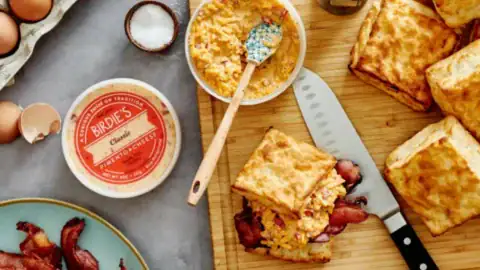

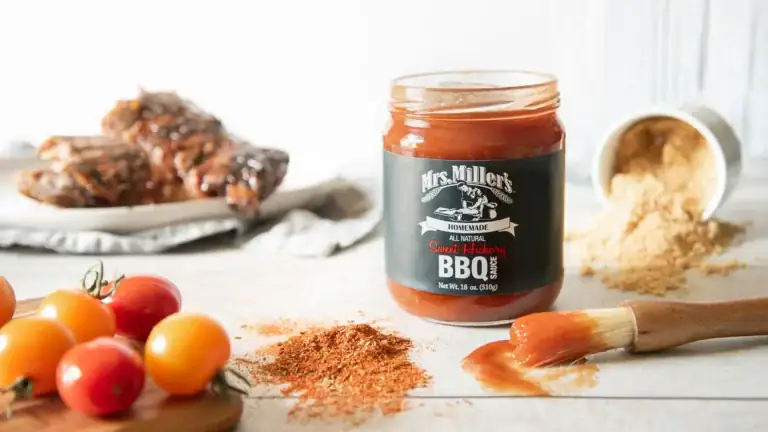
A beautiful food & beverage website can still underperform. Great photography, thoughtful packaging, and a polished color palette help you look credible, but they do not automatically move someone toward a purchase, inquiry, or wholesale conversation.
That gap matters because both established and growing brands assume a pretty site is the finish line. It is not. A strong site needs to help the right visitor understand what you sell, why it is different, and what to do next without friction – in about 3 seconds.
If your site is attracting traffic but not producing enough orders, inquiries, or stock interest, the problem is usually not aesthetics alone. It is usually clarity, structure, trust, or mobile usability.
What a Converting Food & Beverage Website Does First
Your homepage has one core job: make the next step obvious. Within seconds, a visitor should understand your product, who it is for, and where to click next.
For food and beverage brands, that usually means a tight headline, a strong product image, a short statement of value, and a visible call to action like Shop Now, Explore Flavors, Find a Retailer, or Book a Wholesale Inquiry.
If a visitor has to scroll too far to figure out the options you sell or how to buy, you are creating unnecessary drop-off.
Trust Signals Matter More Than Most Food & Beverage Brands Realize
People do not just buy food and beverage products because they look good. They buy when the brand feels credible, safe, and worth trying. That is why trust signals deserve prime placement.
Useful trust builders include customer reviews, retailer mentions, press logos, ingredient transparency, shipping details, clarity on returns and refunds, and concise FAQs. If you have certifications, sourcing standards, or standout ingredient claims, make them visible where purchase decisions happen.
Trust should not live on one hidden page. It should be woven into the shopping experience.
Mobile is Where Conversion Wins, or Losses Get Decided
Many food and beverage brands get discovered on social first and visited on mobile second. If your site feels slow, cluttered, or hard to shop on a phone, you are losing buyers before they even consider the product.
A mobile-friendly site does not just resize. It simplifies. Buttons stay easy to tap, product benefits stay visible without endless scrolling, and the cart path feels quick rather than fussy.
Check your own site like a customer would. Can someone understand the offer, browse products, and complete checkout with one hand while distracted? That is the standard.
The Product Page is Where Hesitation Shows Up
Homepages get a lot of attention, but product pages are where conversion challenges become obvious. A product page should answer the questions a buyer is already asking: What does it taste like? What size is it? Who is it for? When will it arrive? Why is it worth the price?
Strong product pages pair appetite appeal with practical clarity. They use photography well, but they also include details that lower risk or buyer’s remorse. Think ingredients, recipes, subscription options, shipping notes, bundles, and testimonials.
If your product page reads like a catalog entry instead of a sales conversation, there’s a good chance it’s leaving money in someone’s digital wallet and not your online sales data.
Design Still Matters, But It Has a Job
This is not an argument against beauty. Good design builds confidence, supports brand perception, and helps your products feel premium or memorable. But design should support conversion, not compete with it.
The right layout guides attention. The right whitespace improves scanning. The right hierarchy brings the call to action forward. Beautiful design becomes powerful when it helps people decide to click the “buy” button, and when your product arrives in top-notch shape, it helps them brag a little about the beautiful work that your website does.
A converting food & beverage website does more than show your brand in a flattering light. It helps the right customer say yes with less confusion and less hesitation. When your messaging, trust signals, product pages, and mobile experience work together, your website becomes an active sales tool instead of a static brand brochure.