

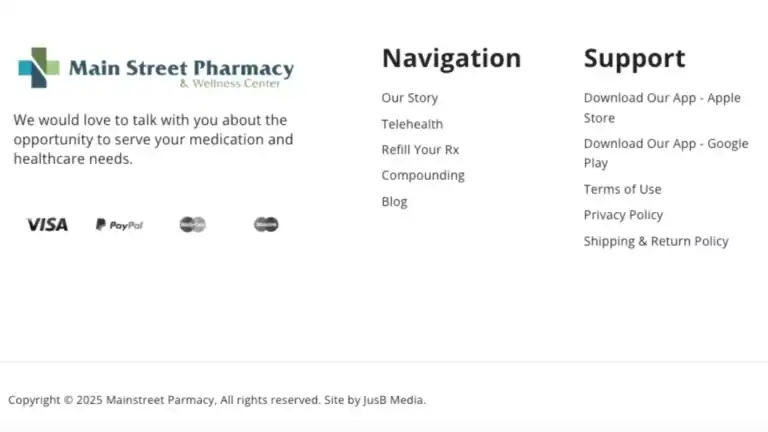
If you’re running a small business website — whether you’re selling products, booking services, or collecting emails for your newsletter — having proper legal policy pages isn’t optional anymore. It’s essential.
We’re talking about your Privacy Policy, Terms of Use, and Cookies Policy.
These aren’t just box-checking exercises. They protect your business, establish trust with visitors, and help keep you compliant with privacy laws like the GDPR and CCPA.
Privacy Policy: The Transparency Anchor
Your Privacy Policy tells visitors what kind of data you collect — such as names, email addresses, and IP addresses — how you store it, what you use it for, and whether you share it with third parties.
Under the California Consumer Privacy Act (CCPA), businesses must inform users what personal information is collected and provide a way to opt out of the sale of their data. Failure to comply can result in fines and legal consequences.
The General Data Protection Regulation (GDPR) in the European Union goes even further. It requires:
- Clear, plain-language disclosures
- User consent before collecting non-essential data
- The ability for users to access or delete their personal data
Even if your business operates in the United States, collecting data from EU citizens can subject you to GDPR requirements.
Bottom line: A solid Privacy Policy is both a legal safeguard and a trust-builder.
Terms of Use: Set the Rules of the Road
Your Terms of Use (also called Terms and Conditions) outline what users can and cannot do on your website.
This page can:
- Limit your liability
- Clarify intellectual property rights
- Define payment terms
- Explain dispute resolution procedures
- Set rules for user-generated content
While not always legally required, Terms of Use become especially important if you operate an eCommerce store, membership platform, or offer downloads or interactive features.
Think of it like insurance: you hope you won’t need it, but if something goes sideways, it can make a significant difference.
Cookies Policy: Sweet, but Serious
If your website uses tracking tools such as Google Analytics, Meta (Facebook) Pixel, or third-party plug-ins that collect data through cookies, you need a Cookies Policy.
This policy should clearly explain:
- What cookies your site uses
- What data those cookies collect
- Why the data is being collected
Under GDPR, non-essential cookies require explicit user consent before being activated. That’s why cookie banners have become standard. They are not just pop-ups — they are compliance tools.
Similarly, CCPA grants users the right to know what data is collected through cookies and to opt out when applicable.
Skipping this step not only risks penalties, it can also damage trust with privacy-conscious visitors.
How to Add These Policies to Your Website
Your web developer can help you add and properly format these policy pages. They can also help identify what tracking tools, plug-ins, or data collection systems are active on your site.
When it comes to writing the policies themselves, an attorney is the most thorough option. However, if legal fees feel out of reach, there are reputable services that generate customized legal documents based on your business model and data practices.
Another option — and one we often recommend — is using a compliance service. These services:
- Generate legally compliant policies tailored to your business
- Automatically update policies when laws change
- Help ensure ongoing compliance without manual rewrites
This approach helps protect your business long-term instead of relying on a one-time document that may become outdated.
Compliance Builds Trust
Even small local businesses are affected by tightening privacy regulations and increased consumer awareness.
Having a Privacy Policy, Terms of Use, and Cookies Policy is not just about checking a legal box. It signals that you take customer data seriously and operate professionally.
Compliance isn’t optional anymore. A little effort upfront can prevent significant issues down the road.
If you have questions or need help making sure your website is protected and professional, reach out. We’re here to help.