

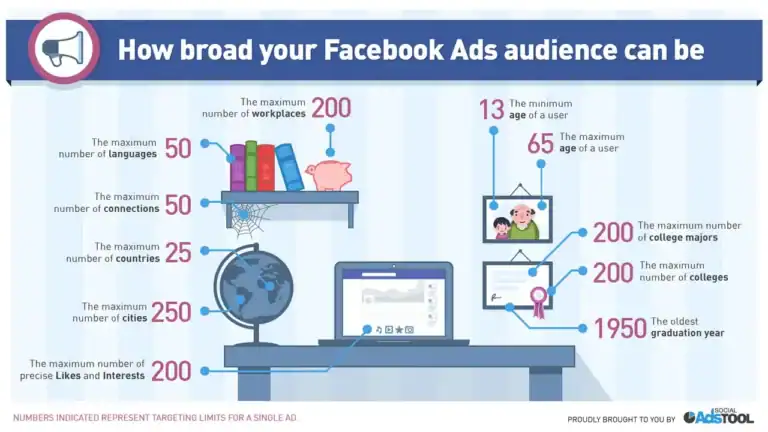
Interest targeting is one of the most powerful—yet often most misused—features of Facebook Ads. When creating an ad, you typically have two targeting approaches to choose from: broad categories or precise interests.
Both options can work, but they serve very different goals. Below is a breakdown of each approach so you can choose the best strategy for your campaign (and your budget).
Broad category targeting
Broad categories include general topics like Gardening, Horror Movies, and Consumer Electronics. Facebook also offers newer audience targets such as Engaged, Expecting Parents, “Away from Hometown,” and “Birthday in 1 Week.”
At first glance, broad interests can seem like an efficient way to reach a large audience. However, that reach often comes at a cost: these users can be more expensive to target and may convert at a lower rate.
Broad category targeting is usually best for larger companies with bigger budgets—because it’s more like a traditional TV ad approach. You’re casting a wide net, hoping to pull in a few customers, even if they aren’t the most likely to buy.
Precise interest targeting
Precise interest targeting allows you to reach users based on information from their profiles, including likes and interests, Pages they follow, apps they use, and other timeline activity. This is where you’ll often find your best ROI.
Facebook has an impressive variety of interests available—everything from Harry Potter fans to underwater rugby enthusiasts. The hard part is choosing the right ones.
A strong approach is to target people who engage with your competitors. Or, if you sell a very specific product, target users who match that exact interest. For example, if you sell iPhone cases, you may want to target people interested in “iPhone 6” rather than broadly targeting “smartphones” or “technology.”
The biggest mistake: targeting the largest groups possible
Many marketers assume bigger audiences are better audiences. That’s often a mistake. Large groups can be more expensive and less targeted—which means you may pay more while reaching people who aren’t truly interested.
Instead of targeting broad terms in your niche like “yoga” or “digital photography,” focus on specific interests. Do some research and ask:
- Which magazines and blogs does your ideal customer read?
- Who do they follow on social media?
- Which related products do they buy?
- Which brands, creators, or communities do they engage with?
When you use laser-focused interests like these, you’ll reach people who are most interested in what you offer—and most willing to spend money on it. And after all, that’s the goal, right?
What to do next
The next time you set up a Facebook ad campaign, test your skills with precise targeting. Try running a few different ads at the same time, then monitor performance to see which ones gain the most traction for the lowest cost.
Remember: you can always pause ads that aren’t performing well or are costing too much money. The key is to test, learn, and refine.
Need help setting up Facebook ads?
If you have questions or want support building a Facebook ad strategy, contact Jus B Media. We’ll be happy to assist!